Risk assessment Product List and Ranking from 4 Manufacturers, Suppliers and Companies | IPROS

Risk assessment Product List

1~13 item / All 13 items

Displayed results

Soil contamination investigation

Soil contamination investigation

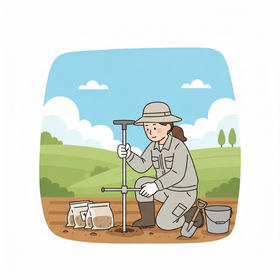
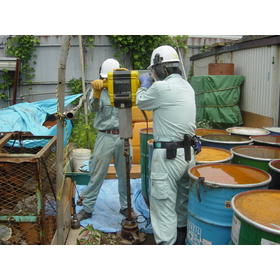
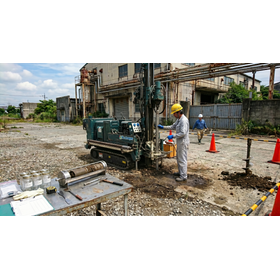
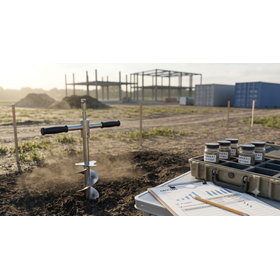
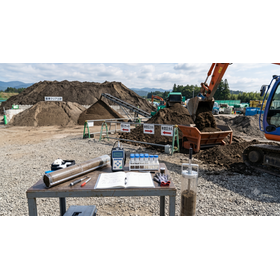
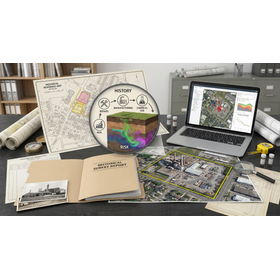
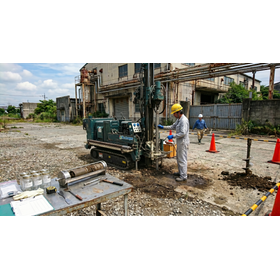
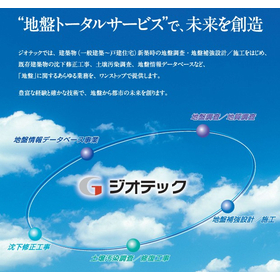
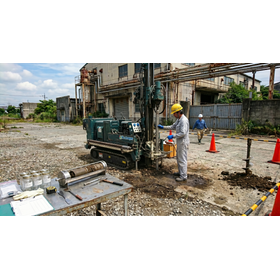
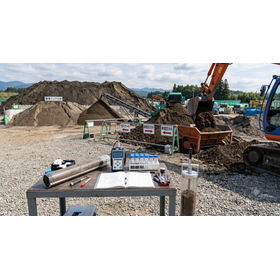
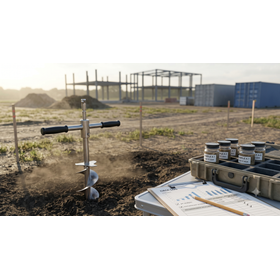
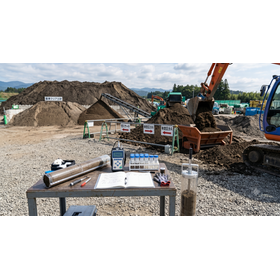
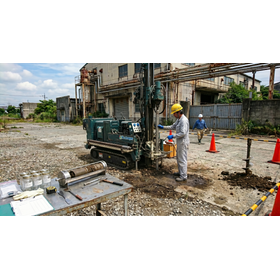
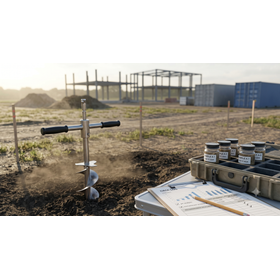
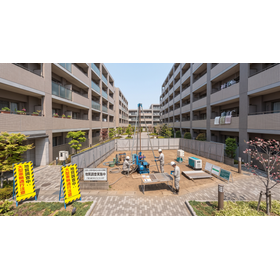
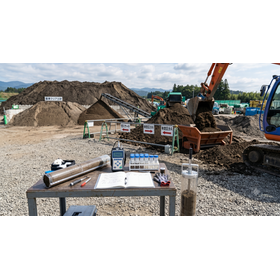
At Geotech, we plan investigations tailored to your needs, ranging from historical and simple soil surveys to detailed investigations, and provide appropriate risk assessments. In the unlikely event that soil contamination is discovered, we offer assistance with remediation measures, providing consistent consulting as a designated investigation agency. For more details, please contact us.

  • 1766580592934-1.jpg.png
  • SCSC2.JPG
  • Site and ground investigation
  • Environmental Survey
  • Geological Survey
  • Risk assessment

Added to bookmarks

Bookmarks list

Bookmark has been removed
Bookmarks list

You can't add any more bookmarks

By registering as a member, you can increase the number of bookmarks you can save and organize them with labels.
Free membership registration

Practical Food Safety Statistics: Quality Control and Risk Assessment Using R and Excel

Using R and Microsoft Excel, this explains the statistical approach to food safety and quality management methods in relation to food risks.

Knowledge of statistics is important for managing food safety and quality, and particularly now, the entire food industry is required to adopt quantitative management that incorporates HACCP plans and risk assessments. 1: Basics of Statistics 2: Statistical methods necessary for food safety and quality management This book provides a thorough explanation of these topics. The corresponding programs (R, Excel) can be downloaded from the NTS website, allowing for verification of knowledge acquisition.

  • Process Control System
  • others
  • Risk assessment

Added to bookmarks

Bookmarks list

Bookmark has been removed

Bookmarks list

You can't add any more bookmarks

By registering as a member, you can increase the number of bookmarks you can save and organize them with labels.

Free membership registration

Soil Contamination Survey and Historical Investigation for the Printing and Binding Industry

Evaluate soil contamination risk based on past usage history.

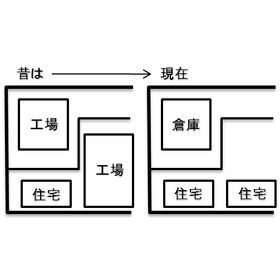
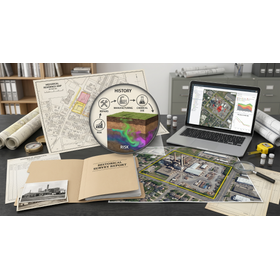
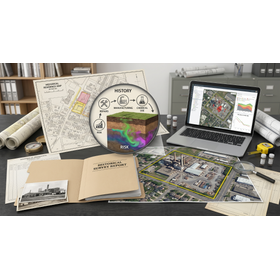
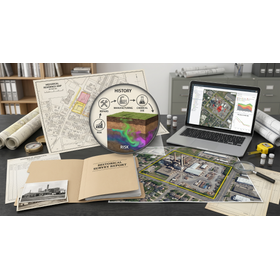
In the printing and binding industry, there is a possibility that chemical substances such as solvents have been used in past business activities, leading to concerns about soil contamination. Particularly when considering the sale or purchase of land or the establishment of new business locations, it is important to understand the presence or absence of soil contamination in advance to reduce future risks. Historical investigations involve researching how the land being considered for purchase was used in the past through old maps and registries, thereby evaluating the potential for soil contamination. 【Usage Scenarios】 - Risk assessment before land purchase - Investigation of former factory sites or old business locations - Compliance with environmental regulations - Confirmation of soil contamination during business succession 【Benefits of Implementation】 - Early detection of soil contamination risks and planning of countermeasures - Avoidance of unnecessary troubles and costs - Smooth facilitation of land transactions - Assurance of business continuity

  • ca6603f6-2b42-4e9a-b01b-fa36812edae5.jpg
  • Site and ground investigation
  • Environmental Survey
  • Geological Survey
  • Risk assessment

Added to bookmarks

Bookmarks list

Bookmark has been removed

Bookmarks list

You can't add any more bookmarks

By registering as a member, you can increase the number of bookmarks you can save and organize them with labels.

Free membership registration

[Proposal] Review of explosion-proof areas through detailed risk assessment.

Evaluation based on the Ministry of Economy, Trade and Industry guidelines (and IEC standards)! Expansion of non-explosion-proof areas and promotion of DX (digital transformation).

The utilization of digital devices such as smartphones, tablets, and industrial robots for business improvement is expected in hazardous material facilities. To achieve this, a review of explosion-proof areas is necessary. Through precise risk assessment, previously designated hazardous areas (explosion-proof areas) may be reclassified as non-hazardous areas (non-explosion-proof areas). This document summarizes key points for converting indoor and outdoor facilities into non-hazardous areas, the flow of risk assessment operations, and methods for precise risk assessment. [Contents (partial)] ■ Increasing demand for DX (digital transformation) in the industry ■ Key points for converting "important" indoor and outdoor facilities into non-hazardous areas ■ Flow of risk assessment operations ■ Main achievements (industries) ■ Standards for precise risk assessment *For more details, please refer to the PDF document or feel free to contact us.

  • Company:FPEC
  • Price:Other
  • Environmental Survey
  • Risk assessment

Added to bookmarks

Bookmarks list

Bookmark has been removed

Bookmarks list

You can't add any more bookmarks

By registering as a member, you can increase the number of bookmarks you can save and organize them with labels.

Free membership registration

Uncovering Land Contamination Risks through Document Screening for Financial Institutions

Improving the accuracy of financing reviews. Extracting land contamination risks at low cost through document screening.

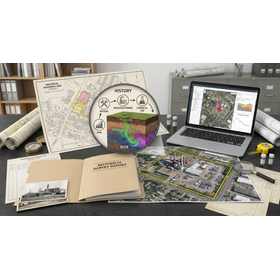
In the loan screening process of financial institutions, the assessment of potential risks associated with the land used as collateral is crucial. In particular, soil contamination can lead to a decrease in asset value or, in some cases, substantial liability if discovered after the transfer, making it a risk factor that cannot be overlooked in lending decisions. However, excessive investigation can lead to increased costs and hinder prompt assessments. Our service provides an efficient environmental diagnosis through material screening offered by Geotech, a designated investigation agency under the Soil Contamination Countermeasures Act. By meticulously examining past public notification documents and detailed land use histories, we accurately identify contamination concerns and reduce unnecessary sampling and on-site verification. This enables us to create high-accuracy risk assessment reports at low costs, providing objective decision-making materials for loan screening. [Usage Scenarios] - Understanding soil contamination risks in collateral evaluation of loan properties - Strengthening risk management in real estate collateral loans - Utilization as part of the due diligence process [Effects of Implementation] - Improved accuracy of risk assessment in loan screening - Streamlined assessment process through reduction of unnecessary costs - Early detection and avoidance of potential soil contamination risks

  • photo2.png
  • photo1.png
  • photo6.png
  • photo8.png
  • ジオテック.jpg
  • Site and ground investigation
  • Dismantling and moving
  • Other civil engineering services
  • Risk assessment

Added to bookmarks

Bookmarks list

Bookmark has been removed

Bookmarks list

You can't add any more bookmarks

By registering as a member, you can increase the number of bookmarks you can save and organize them with labels.

Free membership registration

Efficient material screening for demolition and construction reveals land contamination risks.

Cost reduction through data screening! An environmental assessment that accurately identifies land contamination risks.

In the demolition and construction industry, understanding the condition of the land before starting construction is crucial for preventing unexpected troubles and ensuring safe and smooth project execution. In particular, the risk of soil contamination associated with past land use can lead to project delays and additional costs. Excessive investigation can lead to increased costs, so efficient risk assessment is required. Our service optimizes Phase 1 investigations conducted by Geotech, a designated investigation agency under the Soil Contamination Countermeasures Act, by scrutinizing past public notification documents and detailed land use history, explaining a method to reliably extract underground risks while minimizing unnecessary expenses. 【Usage Scenarios】 - Site investigation before demolition work - Soil contamination risk assessment for planned construction sites - Early identification of environmental risks in business planning 【Benefits of Implementation】 - Cost reduction through the elimination of unnecessary sampling and on-site checks - Early detection of hidden soil contamination risks - Improved accuracy of business plans and prevention of troubles

  • photo2.png
  • photo1.png
  • photo6.png
  • photo8.png
  • ジオテック.jpg
  • Site and ground investigation
  • Dismantling and moving
  • Other civil engineering services
  • Risk assessment

Added to bookmarks

Bookmarks list

Bookmark has been removed

Bookmarks list

You can't add any more bookmarks

By registering as a member, you can increase the number of bookmarks you can save and organize them with labels.

Free membership registration

Frontline of AI Utilization in the Insurance Industry

A Practical Guide to Implementing DX that Balances Customer Trust and Maximizing Revenue

In the insurance industry, accurate data analysis and quick decision-making are essential for risk assessment. Properly evaluating the diverse risks of customers and setting appropriate insurance premiums leads to a balance between customer satisfaction and profitability. By utilizing AI, it becomes possible to analyze past data and external information, enabling more accurate risk assessments. 【Usage Scenarios】 - Risk assessment based on customer attributes and past accident history - Rapid situation understanding and response during natural disasters or accidents 【Effects of Implementation】 - Optimization of insurance premiums through improved accuracy of risk assessment - Increased efficiency and speed in customer response - Early detection of fraudulent claims and mitigation of losses

  • Other Software
  • Risk assessment

Added to bookmarks

Bookmarks list

Bookmark has been removed

Bookmarks list

You can't add any more bookmarks

By registering as a member, you can increase the number of bookmarks you can save and organize them with labels.

Free membership registration

Efficient material screening to assess land contamination risks for the chemical industry.

Environmental Risk Assessment for the Chemical Industry: Accurately Extracting Land Contamination Risks through Document Screening

In the chemical industry, there are concerns about the risks of significant compensation claims and long-term legal disputes if soil contamination is discovered during factory closures or asset sales. On the other hand, there is also the challenge of wanting to avoid increased costs due to excessive investigations. This service provides an "efficient document screening" method to accurately assess underground risks while minimizing unnecessary expenses. Geotech, a designated investigation agency under the Soil Contamination Countermeasures Act, refines the identification of contamination concerns by optimizing Phase 1 investigations that analyze past public disclosure documents and detailed land use histories. This reduces unnecessary sampling and on-site confirmations, achieving accurate environmental diagnostics at a low cost. It supplements important disclosures and supports smooth land transactions. 【Usage Scenarios】 - Soil contamination risk assessment during factory closures or relocations - Environmental risk assessment prior to corporate asset sales - Preliminary investigations for new factory construction sites - Identification of contamination concerns based on past land use histories - Streamlining voluntary soil contamination investigations 【Benefits of Implementation】 - Early detection of hidden soil contamination risks - Reduction of unnecessary investigation costs - Lowering the risk of substantial compensation claims - Achieving smooth and safe land transactions - Maintaining corporate social credibility

  • photo2.png
  • photo1.png
  • photo6.png
  • photo8.png
  • ジオテック.jpg
  • Site and ground investigation
  • Dismantling and moving
  • Other civil engineering services
  • Risk assessment

Added to bookmarks

Bookmarks list

Bookmark has been removed

Bookmarks list

You can't add any more bookmarks

By registering as a member, you can increase the number of bookmarks you can save and organize them with labels.

Free membership registration

Efficient data screening to uncover land contamination risks for financial institutions.

Improving the accuracy of financing reviews. Evaluating land contamination risks at low cost through document screening.

In the loan examination process of financial institutions, the evaluation of potential risks associated with the land serving as collateral is crucial. In particular, soil contamination can lead to a decrease in asset value or, in some cases, significant liability if discovered after the transfer, making it a risk factor that cannot be overlooked in lending decisions. Excessive investigations can lead to increased costs, so efficient risk assessment is required. Our service provides an efficient contamination risk assessment of land through document screening, offered by Geotech, a designated investigation agency under the Soil Contamination Countermeasures Act. By scrutinizing past public notification documents and detailed land use history, we reduce unnecessary sampling and on-site verification, achieving accurate environmental diagnostics at a low cost. This enhances the accuracy of risk assessment in loan examinations and supports smooth loan execution. 【Usage Scenarios】 - Due diligence for real estate subject to financing - Understanding soil contamination risks in collateral evaluation - Consideration of risk mitigation measures before loan execution 【Benefits of Implementation】 - Improved accuracy of risk assessment in loan examinations - Reduction of unnecessary investigation costs - Preservation of collateral asset value - Prevention of future troubles

  • photo2.png
  • photo1.png
  • photo6.png
  • photo8.png
  • ジオテック.jpg
  • Site and ground investigation
  • Dismantling and moving
  • Other civil engineering services
  • Risk assessment

Added to bookmarks

Bookmarks list

Bookmark has been removed

Bookmarks list

You can't add any more bookmarks

By registering as a member, you can increase the number of bookmarks you can save and organize them with labels.

Free membership registration

Efficient data screening reveals land contamination risks for the chemical industry.

Environmental Risk Assessment for the Chemical Industry: Low-Cost Evaluation of Land Contamination Risks through Document Screening

In the chemical industry, when factory closures or asset sales occur, there is a risk of significant damages and long-term legal disputes if soil contamination is discovered. On the other hand, excessive investigations can lead to unnecessary cost increases. In such situations, it is essential to accurately understand underground risks while keeping unnecessary expenses to a minimum. Our service, provided by Geotech, a designated investigation agency under the Soil Contamination Countermeasures Act, offers an efficient environmental risk assessment through material screening. 【Usage Scenarios】 - Soil contamination risk assessment during factory closures or relocations - Identification of hidden defect risks before corporate asset sales - Preparation of supplementary materials for important disclosures - Consideration of special clauses in sales contracts 【Benefits of Implementation】 - Cost reduction through the elimination of unnecessary sampling and on-site confirmations - Accurate identification of hidden soil contamination risks - Maintenance of corporate social credibility - Facilitation of smooth and safe land transactions

  • photo2.png
  • photo1.png
  • photo6.png
  • photo8.png
  • ジオテック.jpg
  • Site and ground investigation
  • Dismantling and moving
  • Other civil engineering services
  • Risk assessment

Added to bookmarks

Bookmarks list

Bookmark has been removed

Bookmarks list

You can't add any more bookmarks

By registering as a member, you can increase the number of bookmarks you can save and organize them with labels.

Free membership registration

Measurement and Analysis Method for Uneven Ground Subsidence at the Site of Demolished Wooden Apartment Buildings for Real Estate Development

Evaluate and prevent differential settlement risks at the demolition site through multi-point SWS testing.

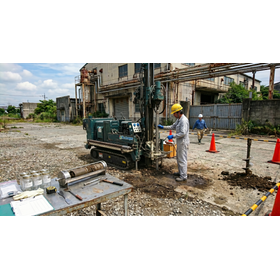
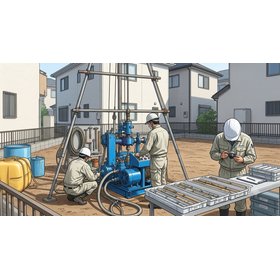
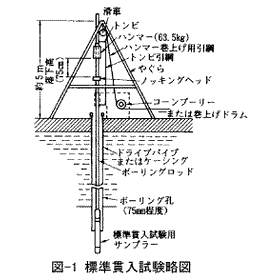
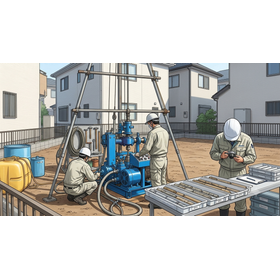
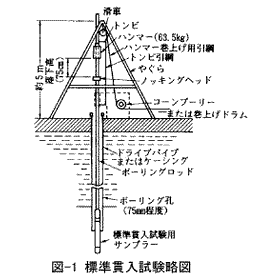
In real estate development, it is essential to accurately understand the potential risks of the land and avoid future troubles. Particularly in the case of sites where wooden apartments have been demolished, the presence of remnants of old foundations and the unevenness of backfill can easily lead to the formation of "uneven ground," where the ground strength varies by location, increasing the risk of differential settlement in new buildings. To prevent this risk in advance, precise ground surveys that accurately predict and evaluate ground settlement behavior are indispensable. This service identifies the specific ground risks associated with demolition sites and supports the safety of buildings and the preservation of asset value. 【Usage Scenarios】 - New development on sites of demolished wooden apartments - Evaluation of differential settlement risks due to ground unevenness - Risk assessment before purchasing development land 【Benefits of Implementation】 - Early detection of differential settlement risks and planning of countermeasures - Improvement of structural safety of buildings - Maintenance and enhancement of asset value

  • ボーリング.gif
  • Geological Survey Company
  • Ground foundation construction method
  • Pile and foundation work
  • Risk assessment

Added to bookmarks

Bookmarks list

Bookmark has been removed

Bookmarks list

You can't add any more bookmarks

By registering as a member, you can increase the number of bookmarks you can save and organize them with labels.

Free membership registration

[Urban Planning] Analysis Method for Measuring Settlement of Uneven Ground in Demolition Sites | Geotech

Analyzing the uneven ground of the demolition site using multiple-point SWS tests to reduce the risk of differential settlement.

In urban planning and regional development, managing the ground conditions of sites where existing structures have been demolished is crucial. At demolition sites, the removal of old foundations and the unevenness of backfilling can lead to the formation of "uneven ground," where the ground strength varies by location, raising concerns about future settlement and differential settlement risks. This can potentially impact the safety of new development projects and their long-term asset value. This service precisely evaluates the unique ground risks associated with such demolition sites and supports the planning of safe development projects. 【Usage Scenarios】 - Preliminary ground surveys for new development projects - Site evaluations after the demolition of existing buildings - Understanding ground risks in regional development plans - Confirming ground stability in infrastructure development plans 【Benefits of Implementation】 - Early detection of differential settlement risks and planning of countermeasures - Improved safety of development projects - Maintenance and enhancement of long-term asset value - Visualization of ground risks during the planning stage

  • ボーリング.gif
  • Geological Survey Company
  • Ground foundation construction method
  • Pile and foundation work
  • Risk assessment

Added to bookmarks

Bookmarks list

Bookmark has been removed

Bookmarks list

You can't add any more bookmarks

By registering as a member, you can increase the number of bookmarks you can save and organize them with labels.

Free membership registration

[For Design Offices] Optimal Foundation Design Soil Investigation | Geotech

We provide objective evidence that serves as the basis for structural calculations through high-precision ground data and subsidence analysis.

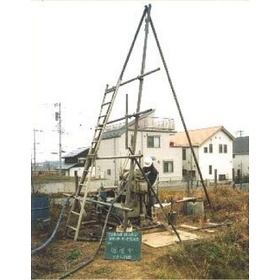
In a design office, securing accurate ground data that serves as the basis for structural calculations is essential when designing buildings on complex ground conditions such as embankment sites. A uniform reinforcement assessment not only leads to excessive improvement construction costs but also hinders the optimization of structural design. Our ground investigation service strongly supports design optimization by providing objective evidence that can be utilized as the basis for structural calculations while ensuring safety, through the integration of precise field data and advanced analytical techniques. 【Usage Scenarios】 - Multifaceted evaluation of differential settlement risks in embankment sites - Calculation of long-term allowable stress and predicted consolidation settlement required for structural calculations - Selection of foundation specifications that eliminate excessive reinforcement and preparation of supporting documentation 【Benefits of Implementation】 - Realization of safe and economical foundation design based on precise data - Securing a reliable ground data set as the basis for structural calculations - Smooth response to ground guarantee reviews and increased efficiency in design work

  • ボーリング.jpg
  • Site and ground investigation
  • Geological Survey Company
  • Geological Survey
  • Risk assessment

Added to bookmarks

Bookmarks list

Bookmark has been removed

Bookmarks list

You can't add any more bookmarks

By registering as a member, you can increase the number of bookmarks you can save and organize them with labels.

Free membership registration